Compassionate Care for Every Pet
Pet Mass Removal in Phoenix, AZ

Maybe you were scratching behind your dog’s ear or brushing your cat when your fingers landed on something new: a lump that wasn’t there last month. That moment makes most pet parents’ stomachs drop, and the worry is understandable. Here’s what helps. Many lumps turn out to be harmless, and the ones that aren’t are far easier to treat when they’re caught early. At Desert Rose Animal Hospital, we offer pet mass removal in Phoenix, AZ, and it always starts with a calm exam and an honest conversation about what we find. You won’t be rushed into surgery, and nobody here will judge you for waiting a few weeks to call. We’ll take a close look, explain your choices in plain language, and help you pick the next step together.
Before anyone talks about surgery, we want to know what the lump actually is. That usually starts with a fine needle aspirate, where Dr. Ashley Casida draws a few cells out of the mass with a thin needle so they can be read under a microscope. Most pets handle it during a regular exam visit. If the answer isn’t clear, or the mass sits deeper than the skin, imaging fills in the picture. Our hospital runs in-house lab work and digital X-rays, offers ultrasound in-house or by referral, and works with a mobile CT company that brings the scanner to us, with a board-certified radiologist reporting back within 48 hours. When removal is the right call, your pet goes under general anesthesia and the growth comes out along with a border of healthy tissue. That tissue then goes to a reference lab for a biopsy, which names exactly what the growth was and shows whether the edges came back clean.
For most pets, recovery is about healing one incision. There’s no bone to mend and no joint to rebuild, so most dogs and cats head home the same day with pain medication, a cone to stop the licking, and a few rules about jumping and rough play until their stitches come out in about 10 to 14 days. Older pets grow the most lumps, so bloodwork from our in-house lab checks organ function before anesthesia, and modern monitoring stays on them the whole time. If cost is part of what’s keeping you up at night, you’ll get a full estimate at the pre-operative exam, before anything is scheduled. Dr. Casida is known for laying out clear options without tacking on extras. If keeping an eye on a lump is the smarter move, she’ll tell you that, too.
What Is Mass Removal Surgery for Dogs and Cats?
Mass removal surgery is a procedure that cuts out an abnormal growth on or under your pet’s skin while they’re under general anesthesia. It’s a common soft tissue surgery, part of the same family of pet surgery services as spays and neuters. “Mass” covers fatty lipomas, cysts, warts, and tumors that may be benign or malignant. Skin mass removal is the most common version, while abdominal growths sometimes call for a specialist. For a suspicious lump, removal does two jobs at once: it treats the problem and gives the lab tissue for a diagnosis.
When Should a Lump on My Dog or Cat Be Checked?
Any new lump deserves a look, because no one can tell a harmless bump from a dangerous one by touch. Cats need extra attention, since more of their skin lumps turn out malignant, so cat lump removal is often recommended sooner. Call us if you notice:
- A lump that keeps growing over a few weeks
- A mass that feels hard or fixed in place
- Bleeding, oozing, or an open sore
- Any growth in the mouth or on a toe, where tumors tend to be more aggressive
Measure the lump and photograph it beside a coin, so we have a baseline.
How Do You Find Out What a Mass Is Before Surgery?
We test it first, usually with a fine needle aspirate that shows whether the lump is fat, fluid, inflammation, or something more concerning. A classic fatty lump often gets identified in one visit. Some masses don’t shed cells well, and a small biopsy sample before surgery can give a firmer answer. X-rays can check the chest for spread before a suspicious tumor comes off, and ultrasound or CT helps map a deeper mass. Together, these results tell us how wide the margins should be, which matters most for getting a malignant growth out the first time.
Should a Lump Be Removed Now or Watched Over Time?
It depends on what testing shows, how fast the lump changes, and where it sits. A confirmed lipoma that isn’t growing can often be measured at each wellness exam instead, since lipoma removal is usually optional. Removal makes more sense when a lump is:
- Suspicious or confirmed malignant on testing
- Growing quickly month to month
- Rubbing under a collar or harness, or getting in the way of walking
- Ulcerated, infected, or bothering your pet
A small lump needs a smaller incision and heals faster, so “wait and see” only works if the watching actually happens.
What Happens on the Day of Surgery?
Surgery day is a morning drop-off and, for most pets, an afternoon pickup. It usually goes like this:
- Your pet fasts the night before, and we’ll confirm which regular medications to give
- You arrive 15 minutes early, dogs leashed and cats in carriers
- A pre-surgical exam comes first, then anesthesia with continuous monitoring
- The mass comes out with a margin of healthy tissue, and the incision is sutured closed
- The tissue heads to the lab while your pet wakes up under close watch
- At pickup, we review the incision, medications, and activity limits with you
A single skin lump often takes under an hour in surgery.
Is Anesthesia Safe for Older Pets Having a Mass Removed?
Yes, for most senior pets, anesthesia is safe with careful screening beforehand and close monitoring during the procedure. Age isn’t a disease. What matters is how well the kidneys, liver, and heart are working, which bloodwork checks first. If screening turns up a problem, the plan adjusts, whether that means different medications, extra fluids, or a frank talk about skipping surgery. Some older dogs carry a harmless lipoma for years, and leaving it alone is the kinder choice. We’ll tell you honestly which situation your pet is in.
Is the Removed Mass Tested for Cancer?
Yes, and we strongly recommend it, because lab review is the only way to know for sure what the growth was. A pathologist reports the type of mass, whether it’s benign or malignant, and whether the edges were free of abnormal cells, usually within a week or two. Lipomas and histiocytomas are common types of skin tumors in dogs that turn out benign. Mast cell tumors can look just as harmless yet be malignant, which is why testing matters after tumor removal for dogs. A benign result with clean edges usually means you’re done.
How Long Is Recovery After Lump Removal?
Most pets act like themselves within a day or two, and full healing takes about 10 to 14 days, when stitches come out. To keep recovery on track:
- Keep the cone on, especially overnight
- Stick to short leash walks with no jumping
- Skip baths and swimming until we clear the incision
- Check the incision daily and call us for swelling, discharge, or gaping
Dog lump removal on a leg, where skin is tight, can take longer to heal. Since no staff is on site after hours, contact VETMED Emergency and Specialty Care with overnight concerns.
Can a Mass Grow Back After It Is Removed?
A benign mass removed with clean margins rarely returns in the same spot, but new lumps can still appear elsewhere. Dogs that form one lipoma often form several, so a new bump doesn’t mean the surgery failed. Malignant tumors are different. If abnormal cells reached the edges, the growth may come back, and options include a wider second surgery or a referral for radiation or chemotherapy. Run your hands over your pet monthly and have lumps measured at wellness visits.
How Much Does Mass Removal Surgery Cost?
Cost depends on the size, number, and location of the masses, your pet’s size and health, and lab fees, and you’ll get a full estimate at the pre-operative exam before anything is booked. A small lump on the chest is simpler than a large mass on a leg that needs extra skin work to close. Pathology usually appears as its own line. Financing through Cherry offers instant approval and adjustable monthly plans, and we collaborate with the MyBalto Foundation to help families facing financial barriers.
Why Choose Desert Rose Animal Hospital for Mass Removal
We test before we cut and explain every step. For your pet, that means:
- Dr. Casida’s years of surgical experience and honest options without unnecessary treatment
- In-house lab work and digital X-rays, plus ultrasound and mobile CT, to plan surgery ahead of time
- Clear pre- and post-operative guidance for home care
- A judgment-free hospital where many team members followed Dr. Casida from previous clinics
Because we provide preventive, diagnostic, and surgical care in one place, your pet’s lump history stays in one record.
Bring Your Pet’s Lump to Desert Rose for a Closer Look
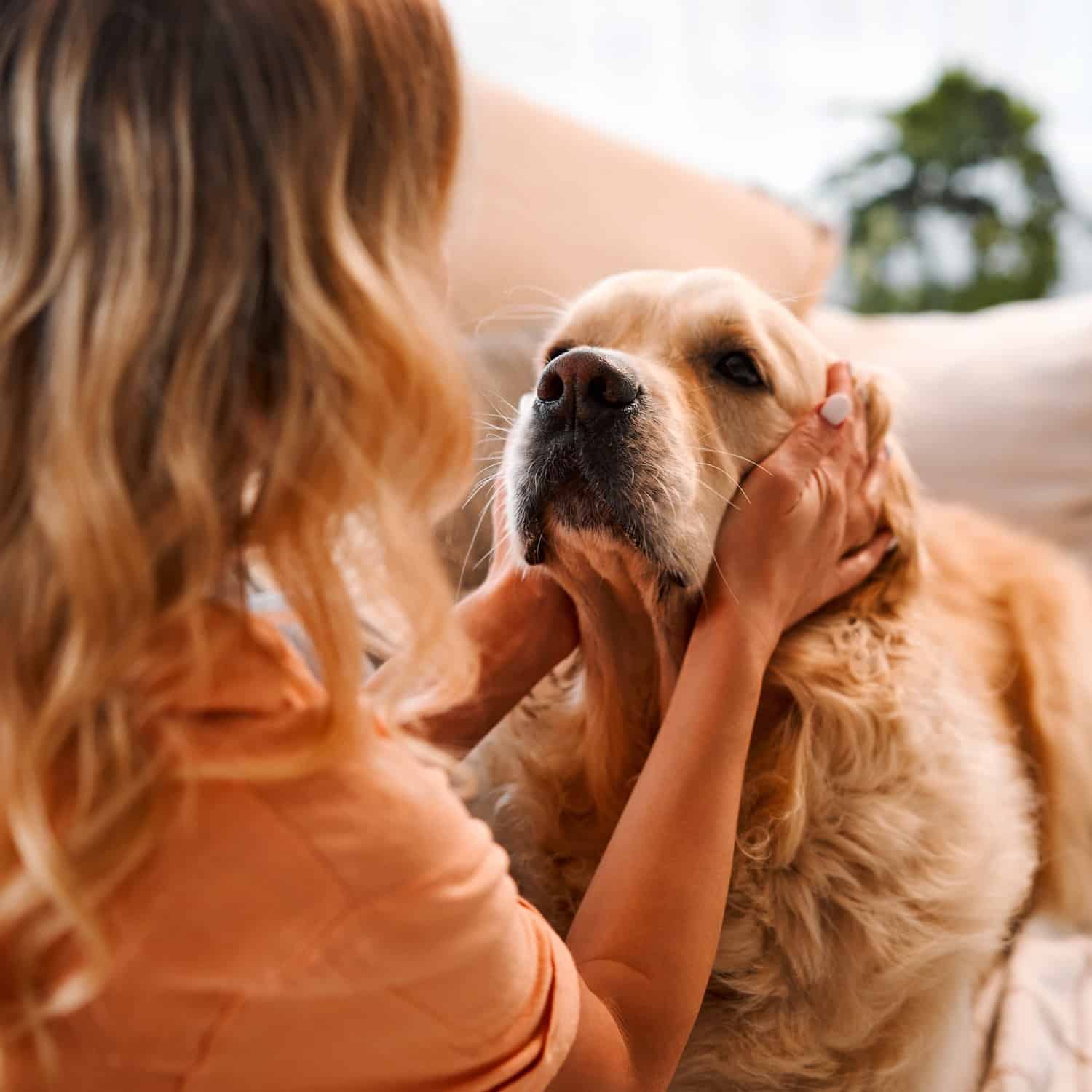
That lump you found doesn’t have to sit in the back of your mind for another month. At Desert Rose Animal Hospital in Phoenix, AZ, we’ll examine it, test it, and walk you through every option, with surgery recommended only when it’s truly the right call for your dog or cat. You’ll know the cost up front and have flexible ways to pay, so you can make the decision based on your pet’s health and not on guesswork. Call us at (480) 808-6289, Monday through Friday from 8 a.m. to 6 p.m., or request an appointment for a lump check online. We’ll be ready to meet you both.